

Your sales are growing, the records are tidy and the bank transactions reconcile. Yet deciding whether to recruit, invest or take more money out of the business still feels uncertain. Having accurate figures does not always mean having clear answers.
Bookkeeping remains essential as your business grows. What changes is the support you need around it. When decisions become more complex, understanding what the numbers mean and what might happen next becomes just as important as recording what has already happened.
1. Recognise the difference between records and insight
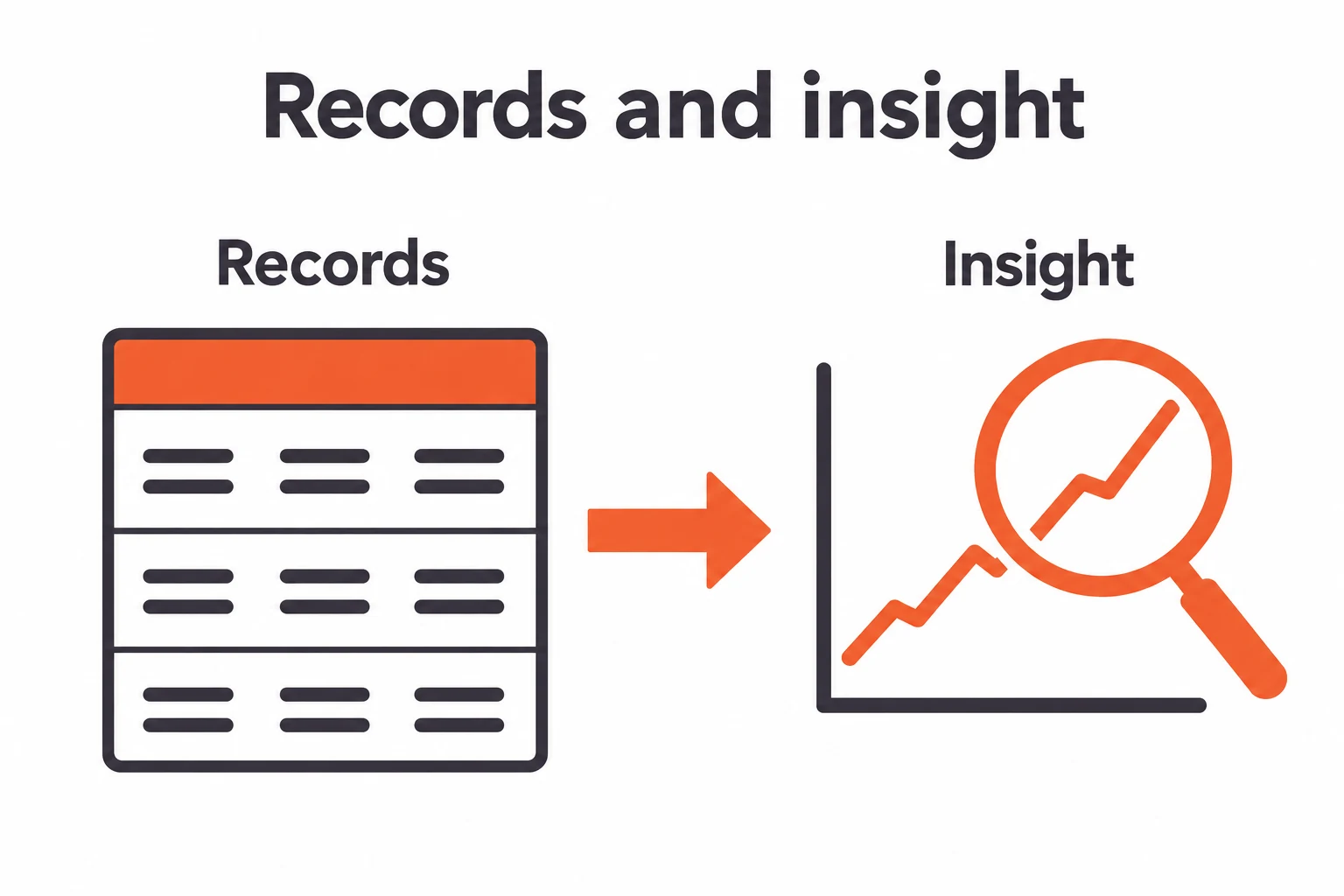
Bookkeeping gives your business a reliable financial record. It captures sales, purchases, receipts and payments, keeps accounts organised and helps identify missing information. Without that foundation, forecasts and financial advice become much less dependable.
But a record of spending cannot, on its own, tell you whether a new employee is affordable. A sales total does not explain whether your busiest service is your most profitable. Those questions need interpretation, context and an understanding of your plans.
The distinction is not simply bookkeeper versus accountant. Some bookkeepers provide management reports and cash flow support, while accountants offer different combinations of compliance and advisory work. What matters is the scope of support you receive, rather than the job title alone.
Ask yourself whether your current arrangements answer three questions:
- What happened in the business?
- Why did it happen?
- What should we do next?
If you can answer only the first, you may need additional financial insight rather than a different bookkeeping system.
2. Notice when growth creates new financial questions
There is no single turnover figure at which bookkeeping stops being enough. The more useful signal is a change in the decisions you face. Growth often brings commitments that must be funded before the related income arrives.
For example, winning a larger contract might mean paying staff and suppliers weeks before your customer settles their invoice. The work could be profitable overall but still leave a temporary cash gap.
Other signs that you need more interpretation include:
- Sales rise but available cash does not. You need to understand whether unpaid invoices, stock, repayments or other commitments explain the difference.
- You are unsure which work makes money. A healthy sales total can hide weak margins on individual products, services or customers.
- Big decisions rely mainly on instinct. Recruitment, equipment purchases and new premises need a clear view of their financial impact.
- Results regularly surprise you. Unexpected costs or margin changes suggest that financial reviews need to happen sooner.
These are not signs of poor bookkeeping. They show that the business needs to use its records to answer broader questions.
3. Turn accurate figures into useful management information
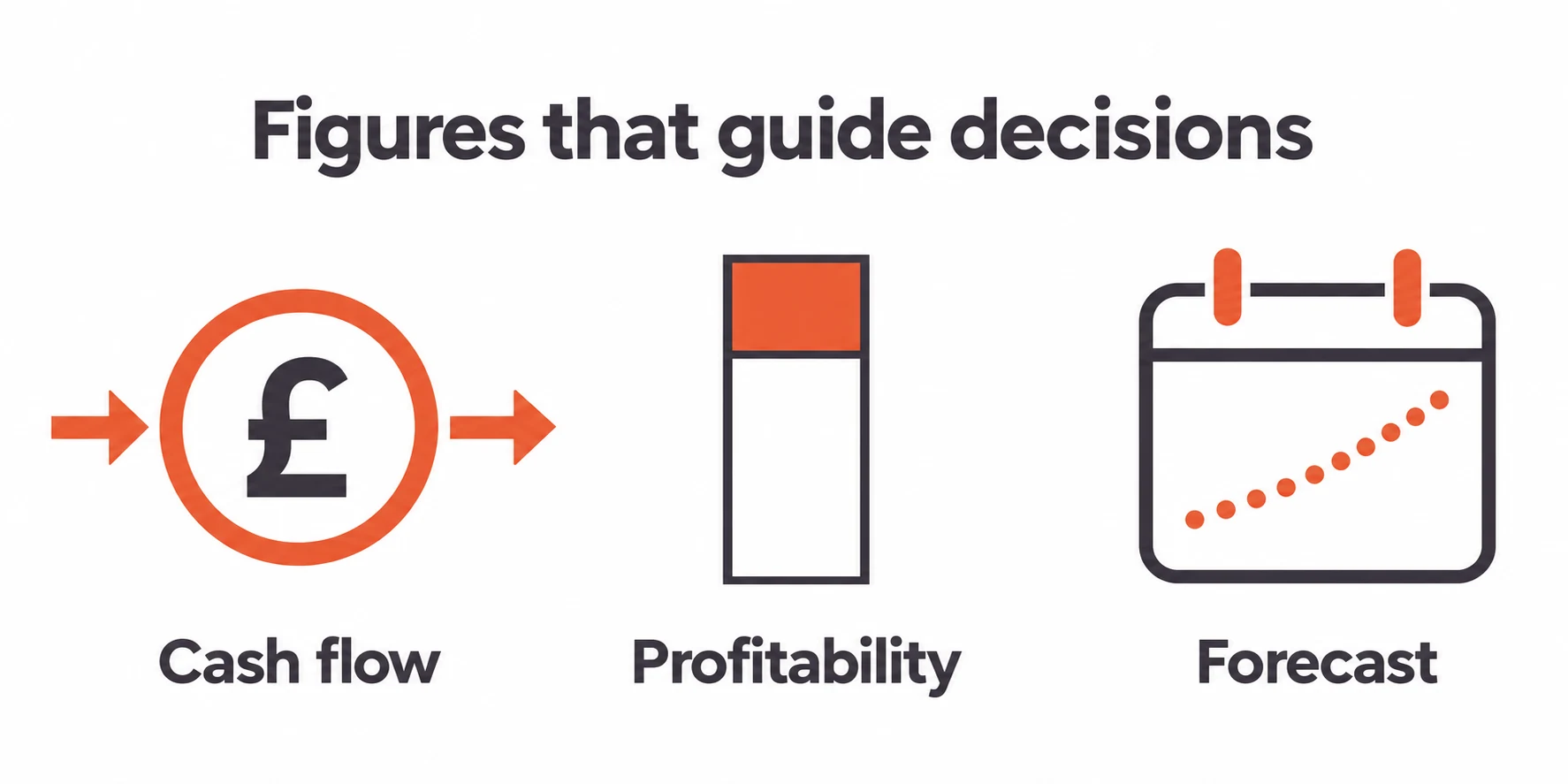
A practical next step is a regular management review, often monthly, using figures that are sufficiently complete and current. This should explain performance, not simply produce more reports.
Start with a profit and loss account, a balance sheet and a view of cash movements. Compare results with your budget and previous periods, allowing for seasonal patterns. Make sure significant unpaid costs and timing differences are considered so that one month is not misleadingly strong or weak.
Then choose a small set of measures that reflect how your business operates. These might include gross profit margin, overdue customer balances, stock levels or income generated against staff costs. Each measure should help you make a decision.
For example, falling margins could prompt a review of pricing, supplier charges or the time needed to deliver work. Growing overdue balances could lead to earlier invoice reminders or clearer payment terms.
Annual accounts and tax returns still matter. Reliable accounts and tax compliance support helps you meet those responsibilities, while management information gives you a more frequent basis for running the business.
4. Look ahead before committing to growth
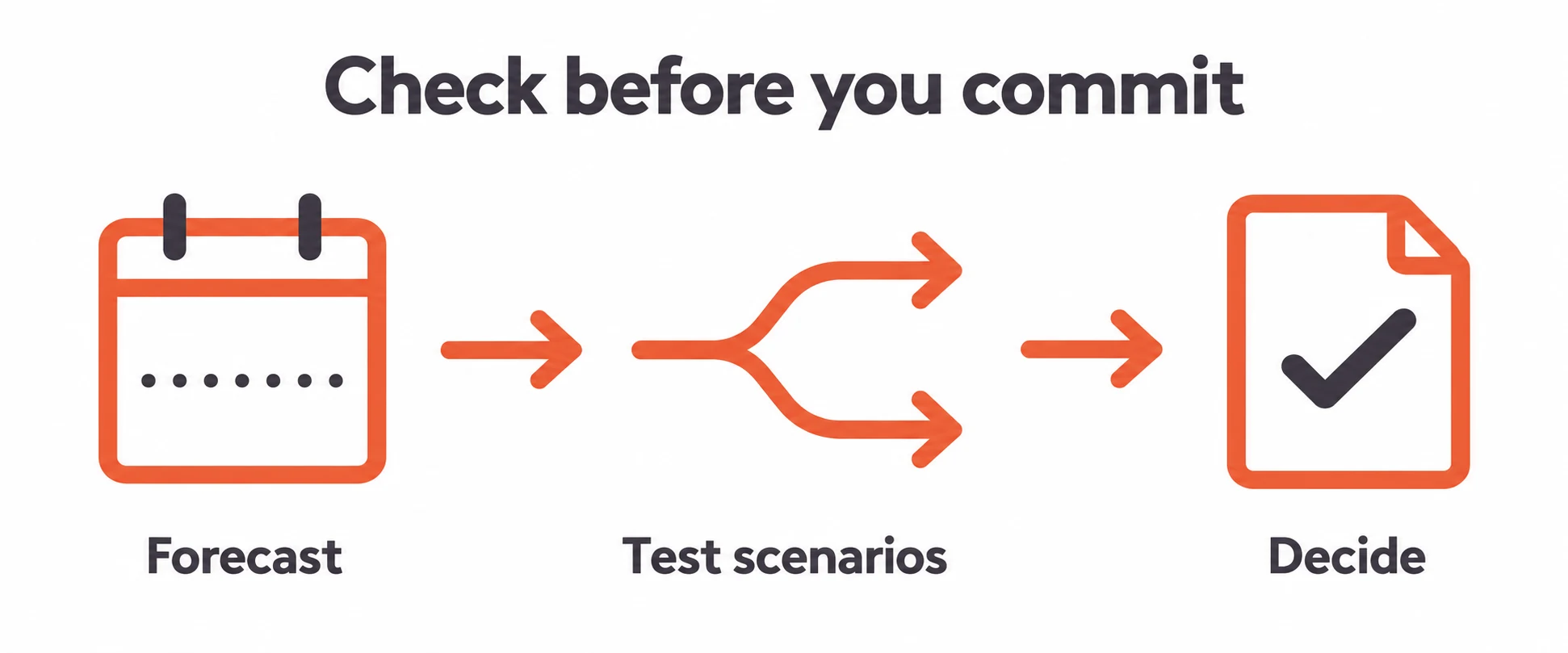
Historical figures show what has happened. A forecast uses those figures, together with realistic assumptions, to explore what could happen next.
A practical starting point is a cash flow forecast covering the next 13 weeks. Set out expected customer receipts and planned payments, including wages, suppliers, tax, loan repayments and owner withdrawals. Use likely payment dates rather than assuming every customer pays immediately.
Review it regularly against actual movements. If receipts arrive later than expected, update the forecast and decide what action is needed while there is still time to respond.
For larger decisions, look further ahead and test alternatives. What happens if sales build more slowly? Can the business fund a new role before it generates additional income? What cash reserve would give you room to manage a quieter period?
When investing in equipment, comparing buying or leasing business assets can help you consider payment timing, ownership and overall commitments together.
A forecast is not a promise. Its value lies in making assumptions visible and showing where your plans may need adjusting.
5. Add advice without losing what already works
Moving beyond bookkeeping does not necessarily mean replacing your bookkeeper or changing your software. Often, the strongest arrangement keeps reliable record keeping in place and adds regular analysis and planning around it.
Start by identifying the decisions you want help with. That might be improving margins, preparing to recruit or understanding how much cash the business can safely commit to expansion. Specific questions make it easier to agree useful support.
Before a review, bring together your latest accounts, bank balances, unpaid customer and supplier invoices, borrowing commitments and known future spending. Include your own plans and concerns. The figures make more sense when they are considered alongside what is happening in the business.
Agree who will maintain the records, who will prepare reports and how often you will discuss them. Every review should finish with clear actions, responsibility for each action and a point at which progress will be checked.
Our business advisory support can help you connect financial information with your plans, so decisions are grounded in a clearer understanding of the business.
- Accurate bookkeeping remains the foundation of good financial control.
- Complex decisions, rather than turnover alone, signal when additional advice may help.
- Review profitability and cash flow separately, because profit does not guarantee available cash.
- Use forecasts and regular reviews to turn financial information into practical actions.
Frequently asked questions
Do I need an accountant if I already have a bookkeeper?
It depends on what your bookkeeper provides and what your business needs. Review the support already covered, then identify any gaps in accounts preparation, tax, analysis or planning. A bookkeeper and accountant can work together with clear responsibilities.
Why is my business profitable but short of cash?
Profit and cash measure different things. Customers may not have paid for sales already recorded, while stock purchases, asset purchases, loan repayments and owner withdrawals can reduce cash. Reviewing profit alongside cash movements helps explain the difference.
How often should I review my business finances?
A monthly review is a useful starting point for many growing businesses. Cash may need checking weekly when payment timing is tight or trading changes quickly. Choose a routine that lets you act before problems become urgent.
Should I change accounting software before getting advice?
Not necessarily. First check whether your existing system can provide accurate, timely information. Better reporting, clearer processes or more consistent records may be enough. Consider new software when there is a specific need your current setup cannot meet.
Make your next decision with greater clarity
If your records are in order but your next steps feel less clear, talk to Walling Accountants. We can discuss your plans and help you understand what financial support would be useful.